North Texas heat is not a figure of speech. It is a load on buildings, a daily stressor on HVAC equipment, and a line item on every power bill. During a heat wave, a roof becomes the largest solar collector on the property. The surface temperature on a dark commercial roof in Rockwall can climb past 160°F by midafternoon. That heat pushes into the structure, drives up cooling demand, and accelerates aging across the roof system. Energy efficient roofing changes that equation. Cool roof systems reflect sunlight, release built-up heat faster, and keep rooftop equipment from baking on the job.
SCR, Inc. General Contractors installs cool roof systems for commercial properties across Rockwall, TX and the surrounding 75087 and 75032 communities. The team works along the I-30 corridor, near The Harbor Rockwall, and throughout Rockwall County. The goal is simple and measurable: lower roof surface temperatures, reduce strain on rooftop AC units, and extend the life of the roof and the building’s mechanical assets.
What changes during a heat wave
A heat wave amplifies known risks. Materials expand and contract harder with each daily cycle. UV radiation breaks down unprotected membranes and sealants. HVAC equipment runs longer and hotter. Power bills spike and comfort declines.
Under extreme sun, dark asphalt and EPDM membranes absorb most of the incoming solar energy. Typical absorption can approach 90 percent. That energy converts to heat at the surface, then conducts into the deck. The building needs more conditioned air to offset the gain. Rooftop AC units (RTUs) pull air from a hotter environment, which reduces capacity and shortens compressor life. It is a compounding problem.
High-reflectivity cool roof systems interrupt that cycle. By boosting solar reflectance and thermal emittance, they prevent much of the heat from entering the building in the first place. The result is a cooler roof, lower attic or plenum temperatures, and less runtime for RTUs and heat pumps. During a North Texas heat wave, that difference is the margin between staying comfortable how energy efficient roofing works and losing ground.
How cool roof systems change performance metrics
Two numbers define the physics of a cool roof. Solar Reflectance measures how much sunlight the surface reflects away. Thermal Emittance measures how effectively the surface releases heat as infrared energy. A high-performing system does well at both.
Reflective silicone coatings, bright TPO and PVC membranes, and acrylic systems deliver high reflectance out of the box. Many achieve initial reflectance values in the 0.70 to 0.85 range and emittance values near 0.85 to 0.90. That gap from a dark roof is profound. Surface temperatures can drop 40 to 60°F under peak sun. That means the rooftop ambient for your RTUs is more manageable. It also means less heat soaking into concrete, steel, or wood decks. In practice, customers in Rockwall report steadier indoor conditions and fewer midafternoon spikes during 100°F weeks.
SCR, Inc. designs assemblies that balance reflectivity with insulation. Polyisocyanurate board and EPS layers increase the R-value to slow conductive heat gain. A reflective surface handles solar load at the top layer. Together, the system controls both radiative and conductive pathways. The company often adds a silicone membrane over aging single-ply to seal seams and create a new reflective surface. This roof restoration strategy avoids a tear-off when the substrate is still sound and reduces waste.
What “energy efficient roofing” looks like on the roof
Energy efficient roofing is a set of choices, not a single product. In Rockwall commercial districts, the best fit varies by building type, exposure, and budget:
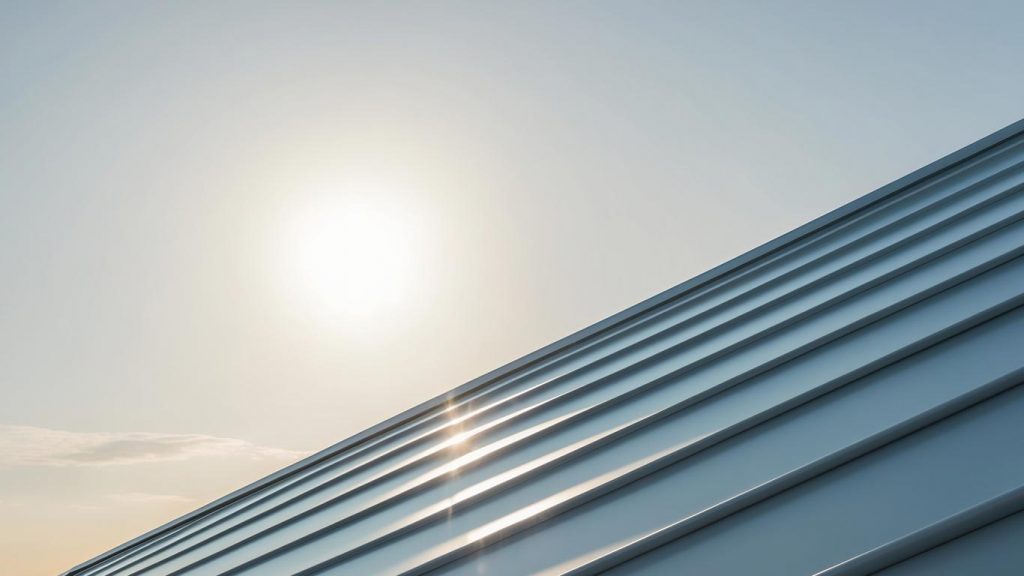
- Reinforced TPO membranes for large, low-slope retail roofs. The bright surface delivers high reflectance. Heat-welded seams reduce leaks. Reinforcement adds dimensional stability under thermal cycling. PVC systems, including the Duro-Last PVC assembly, for demanding facilities. PVC handles chemical exposure and ponding in ways some membranes do not. Duro-Last’s factory-fabricated panels reduce field seams and improve consistency. Silicone or acrylic reflective roof coatings for roof restoration. A high-solids silicone coating resists UV and standing water. Acrylic coatings provide strong reflectivity with quick cure times under summer conditions. Standing seam metal with reflective finishes for office parks or mixed-use buildings. A cool-color coating on metal can achieve high reflectance with a durable exterior finish.
Each approach has trim work, penetrations, and detail conditions that matter. SCR, Inc. addresses scuppers, parapets, and HVAC curb flashings with care. The team uses primer and seam tape per manufacturer guidance, then ties the details back into the field membrane to create a continuous weathering surface.
Rockwall context: where heat and growth meet
Rockwall sits on the eastern shore of Lake Ray Hubbard and continues to see strong commercial growth. New warehouses, retail centers, and office complexes bring more square footage under low-slope roofs. The local sun exposure is intense. Concrete and asphalt around The Harbor and the I-30 corridor add urban heat island effects on top of the base climate. In these zones, a cool roof is not a luxury feature. It is a practical control that reduces operational costs year-round.
SCR, Inc. serves Rockwall 75087 and the nearby 75032 lakefront areas of Heath and Chandlers Landing. Projects range from large retail roofs in Northshore to medical offices near the Rockwall County Courthouse and shopping clusters by San Jacinto Plaza. Crews are often deployed along I-30 for night work to minimize disruptions. The company also supports neighboring service areas in Rowlett, Royse City, Forney, Terrell, Wylie, Garland, and Greenville.
Signs a building needs a cool roof upgrade
The symptoms show up long before a leak. If the HVAC runs flat-out by early afternoon, if certain suites are hard to cool, or if the roof surface shows alligatoring from thermal shock, the roof is absorbing more heat than it should. UV damage around flashings and open seams around RTU curbs are common under high temperatures. Ponding water accelerates degradation on low-slope roofs. Each of these conditions points to a system that is working too hard against the sun.
Property managers in The Harbor retail district report frequent compressor trips during heat advisories. Warehouse operators in Stone Creek mention temperature stratification near dock doors. Office parks in Buffalo Creek observe uneven comfort between exposures. SCR, Inc. addresses these issues with reflective membranes, added insulation where feasible, and detail corrections to stop water from sitting around drains and scuppers.
Materials that hold up when it is 105°F
It is tempting to assume any white product will do the job. In North Texas, durability matters as much as reflectivity. The company specifies materials that keep their cool rating under UV exposure and resist ponding water where drainage is limited.
High-solids silicone coatings perform well in standing water and retain reflectance longer. Acrylic coatings provide strong reflectivity and easy maintenance, but they prefer dry conditions during cure and good drainage over the long term. TPO and PVC systems from recognized manufacturers bring proven heat-welded seams and published CRRC ratings. Metal roofs with cool finishes add a hardwearing exterior and a pathway for future solar.
SCR, Inc. installs GAF and Mule-Hide systems along with Duro-Last, Carlisle, and Conklin options. The priority is a membrane and coating set that handles UV, expansion, and rooftop foot traffic around RTUs, heat pumps, and solar panels. The team integrates insulation upgrades with Polyiso and EPS where the structure and budget allow. Details like primer selection, seam tape width, and termination bar placement are matched to the membrane type and exposure.
The science that shows up on the utility bill
Energy savings vary by building size, insulation level, and HVAC condition. In Rockwall, many properties see summer cooling demand drop enough to notice on the next billing cycle. A reflective retrofit on a 50,000 square foot retail center near Northshore cut afternoon demand charges in the first month. The RTU ambient temperature at the rooftop dropped by several degrees during peak sun, and the compressors cycled less often. Over a season, that reduced runtime helps prevent nuisance trips and extends equipment life.
Where a roof receives added Polyiso during a restoration or replacement, the results compound. Reducing conductive gain from above while slashing solar absorption at the surface brings steady interior conditions. Tenants report fewer hot spots and a quieter HVAC tone in open offices.
Why roof restoration is often the fastest path
A full tear-off has its place, especially if the substrate is wet or the system has failed. Yet many Rockwall buildings have workable membranes that need a new top layer and sealed details. Reflective roof coatings can build a new weathering surface and seal seams without removing the existing roof. That reduces downtime and hauling costs and lowers landfill use. It also allows work to proceed with minimal interruption for retail and restaurants near The Harbor.
Silicone and acrylic coatings, paired with seam reinforcement and primers, create a monolithic surface. This approach improves reflectivity and rejuvenates the roof’s UV resistance. It is also flexible and handles daily thermal cycling with less stress at transitions. SCR, Inc. uses infrared thermal cameras to scan for hidden moisture and confirms that the underlying system is dry before coating work begins.
What to expect from a cool roof installation in Rockwall
The process is direct. The team inspects the roof, evaluates drains and scuppers, and notes all penetrations. Infrared scans identify wet insulation. If the roof is dry and structurally sound, a restoration plan follows. If sections are wet, those areas are replaced, and insulation values are brought up to current standards. The chosen system then goes on in a sequence that protects the building and keeps operations moving.
RTUs and curb flashings receive special attention. Seams are reinforced. Primers are applied per substrate. The field membrane or coating is installed during favorable weather windows. Access routes are defined to protect landscaping and not impede customer traffic along the I-30 corridor. Quality checks verify mil thickness for coatings and weld strength for single-ply.
Local brands, certifications, and warranties that matter
SCR, Inc. holds manufacturer certifications with major cool roof brands. As factory-certified installers for Duro-Last and GAF, the company can offer NDL warranties on energy efficient TPO and PVC systems. The team specifies Mule-Hide on projects that call for strong distributor support and consistent membrane performance.
Trust signals matter for commercial decision-makers. The company is CRRC rated for cool roof assemblies, offers Energy Star certified options, and maintains BBB accreditation. For HVAC-related integration, the team includes NATE-certified technicians. Former insurance adjusters on staff help business owners in Rockwall and Fate handle hail and wind claims while aligning upgrades with code and energy goals.
Shortlist: how to know a cool roof will pay off fast
- Roof runs hot enough to burn a hand by noon and shows surface cracking near flashings. Power bills carry high afternoon demand charges during summer. RTUs on the roof show frequent short-cycling or nuisance trips on 100°F days. Tenants report hot spots in top-floor suites or near south and west exposures. Infrared scan shows no widespread wet insulation, making restoration viable.
Rockwall service map and neighborhoods
Proudly serving commercial property owners throughout Rockwall 75087 and the surrounding 75032 lakefront communities. From retail cores near The Harbor Rockwall to logistics facilities along the I-30 corridor, SCR, Inc. brings experienced crews and fast scheduling. The company works across Shores on Lake Ray Hubbard, Chandlers Landing, Stone Creek, Breezy Hill, Northshore, and Buffalo Creek. Projects also extend to Rowlett, Royse City, Forney, Terrell, Wylie, Garland, and Greenville.
The technical core: reflectance, emittance, and insulation working together
Solar reflectance keeps energy out. Thermal emittance releases heat that does arrive. Insulation slows what remains. In practice, that means a bright, reflective surface over Polyiso board, with sealed seams and detailed penetrations. Elastomeric and silicone membranes handle movement and UV. Acrylics deliver strong reflectivity and fast setup. The right primer ensures adhesion to existing surfaces. Seam tape reinforces transitions. Flashings close out edges and curbs. Scuppers and drains move water away to prevent ponding.
This multi-layer approach builds a total building envelope from the top down. Each component supports the others: reflectivity lowers the load, insulation slows the flow, and airtight details stop infiltration. The result is a stable interior under extreme sun.
Brands and systems that perform on Rockwall roofs
Elite materials from Duro-Last, GAF, and Carlisle provide high reflectivity and durable seams. Duro-Last’s PVC system, often called the “World’s Best Roof,” comes with factory-fabricated panels that reduce field welding and potential leaks. GAF and Mule-Hide TPO options provide reliable installs across large retail and warehouse roofs. Conklin Roofing Systems offers high-reflectivity coatings with strong service histories in the South. Firestone and CertainTeed products round out options for specific assemblies and budgets.
SCR, Inc. matches system selection to roof geometry, foot traffic near RTUs and solar arrays, and drainage patterns. For roofs with frequent ponding, silicone is favored for topcoat durability. For roofs with complex projections and parapets, PVC’s weld consistency and flexibility are an advantage.
HVAC performance during heat waves
Cool roofs help HVAC systems do their job under stress. Reflective surfaces reduce the temperature around RTUs and heat pumps, which improves capacity on the hottest afternoons. Compressors run cooler, which extends their useful life. Filters and belts still need regular service, but the system sees less extreme cycling.
In one office complex near Buffalo Creek, a reflective restoration plus added Polyiso trimmed peak indoor temperatures by 2 to 3°F without changing thermostat setpoints. Runtime dropped during 3 pm to 6 pm, the worst window for demand charges. Maintenance logs showed fewer high-pressure lockouts across July and August.
Cost, ROI, and practical timelines
Return on investment depends on utility rates, roof size, insulation level, and tenant hours. Many Rockwall properties see energy savings that begin in the first billing period after installation. Over one to three summers, the utility savings help offset the project cost. When a roof restoration avoids a full tear-off, the payback shortens. In addition, cooler rooftop temperatures reduce HVAC service calls and delay equipment replacement, which adds indirect savings.
For planning, an average commercial restoration can move from inspection to completion within a few weeks, depending on size and weather. SCR, Inc. stages work to avoid peak retail hours and coordinates with property managers for safe access. Along the I-30 corridor, night or early morning shifts reduce heat exposure and limit public disruption.
Energy Efficient Roofing FAQ
Does a cool roof really lower A/C bills in Rockwall?
Yes. By increasing solar reflectance and thermal emittance, the roof absorbs less heat. Roof surface temperatures drop, which reduces heat transfer into the building. That lowers cooling demand and trims runtime on RTUs. Many local clients see measurable savings during the first heat wave after installation.
What is the ROI on a reflective roof coating versus a full replacement?
A reflective coating system often provides faster payback if the existing roof is dry and structurally sound. Coatings avoid tear-off costs and boost reflectivity right away. A full replacement with new insulation delivers deeper energy savings and longer service life, but it requires a larger upfront investment. The right choice depends on moisture scans, deck condition, and budget.
Are there local Texas tax credits for energy-efficient commercial roofing?
Incentives shift by utility and year. Some buildings qualify for deductions when adding insulation or installing CRRC-rated systems. SCR, Inc. helps clients review current programs and utility rebates. The company provides documentation on reflectance and emittance ratings to support applications.
Will a white roof glare into neighboring properties?
High-reflectivity roofs reflect diffuse light more than mirror-like glare. Placement, parapet height, and surrounding elevations influence perception. In most Rockwall settings, glare complaints are rare, especially on low-slope roofs not visible from the street.
How do reflective coatings handle ponding water?
Silicone coatings resist standing water better than many acrylics. If a roof has ponding, SCR, Inc. often specifies high-solids silicone and addresses drainage by clearing scuppers and adjusting low points where feasible. The team documents ponding zones during inspection and selects products accordingly.
How do cool roofs impact solar panel output?
A cooler roof can improve PV performance by reducing ambient heat. Reflective surfaces also increase diffuse light beneath the panels, which can add marginal gains. Proper standoff and racking remain important for airflow.
Do cool roofs make winter heating harder?
In North Texas, cooling loads far exceed heating loads. The net annual energy savings from a cool roof is positive for most commercial buildings in Rockwall, Fate, and Heath. With proper insulation, winter comfort remains stable.
Why choose SCR, Inc. for Rockwall cool roof systems
SCR, Inc. specializes in cool roof systems and energy efficient roofing for commercial properties across Rockwall, TX. The company installs reflective roof coatings, TPO, PVC, and metal systems with cool finishes. As a member of The Good Contractors List with a $10,000 quality guarantee, the team stands behind every project. Crews use infrared thermal cameras for diagnostics, recommend Duro-Last PVC for superior leak protection and energy savings where applicable, and offer certified installations of GAF and Mule-Hide products for maximum durability.
Former insurance adjusters on staff help owners manage hail and wind claims. NATE-certified technicians support RTU coordination. CRRC-rated and Energy Star certified options are available. The combination of product depth, local experience, and clear communication adds up to reliable results during Rockwall heat waves.
Next steps for building owners and managers
Request a free Thermal Roof Inspection to see exactly where your building is losing energy. SCR, Inc. will provide a heat map, note thermal bridges, and propose a system that fits the roof, the budget, and the operating schedule. For properties near Lake Ray Hubbard, The Harbor, or anywhere along the I-30 corridor, the team can schedule site walks quickly and deliver clear, line-item proposals.
Cool roof systems are a practical way to protect a commercial investment in Rockwall. They cut heat at the source, support RTU longevity, and stabilize comfort during the longest stretches of triple-digit days. For warehouses, retail centers, and office parks from Northshore to Buffalo Creek, a high-reflectivity system is a measurable upgrade that pays back in lower bills and fewer headaches during heat waves.
SCR, Inc. General Contractors provides roofing, remodeling, and insurance recovery services in Rockwall, TX. As a family-owned company, we handle wind and hail restoration, residential and commercial roofing, and complete construction projects. Since 1998, our team has helped thousands of property owners recover from storm damage and rebuild with reliable quality. Our background in insurance claims gives clients accurate estimates and clear communication throughout the process. Contact SCR for a free inspection or quote today.
SCR, Inc. General Contractors
440 Silver Spur Trail
Rockwall,
TX
75032,
USA
Phone: (972) 839-6834
Website: https://scr247.com/, Storm damage roof repair
Map: View on Google Maps
Social Media: Yahoo Local